By :Sumera Rajpoot
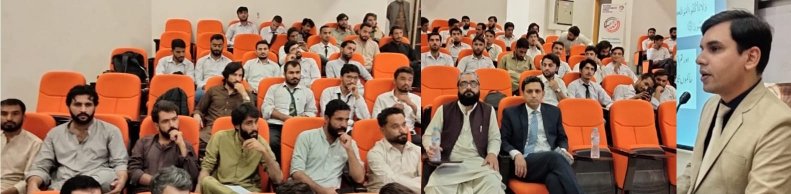
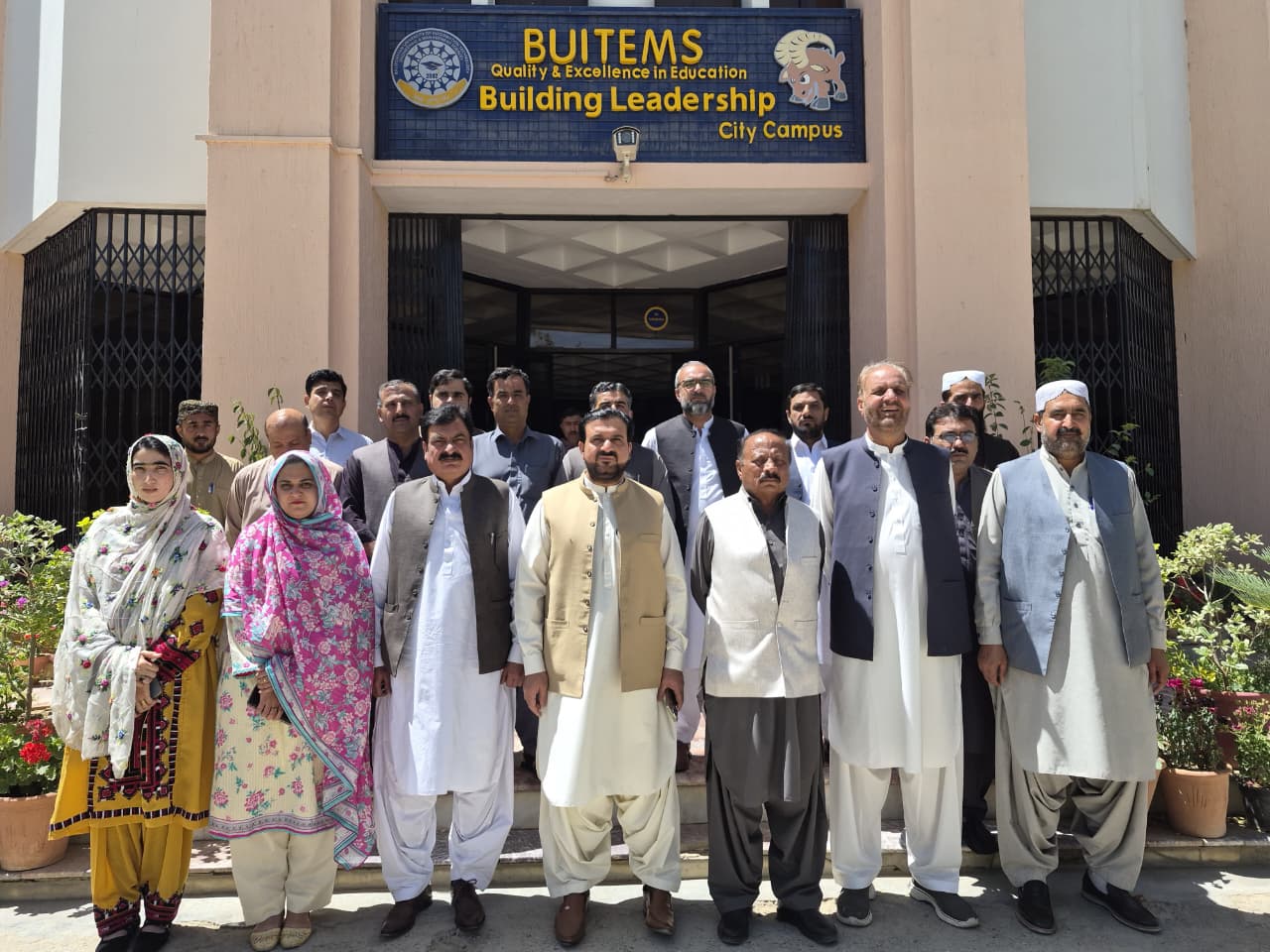
QUETTA: A two-day high-level workshop on “Participatory Rangeland Management and Valuation of Rangeland Products, Services and Functions” concluded at the BUITEMS City Campus under the European Union-funded RBWRTA Project.
The training was organised by the Forest and Wildlife Department Balochistan in collaboration with technical experts and development partners to strengthen institutional capacity, promote sustainable rangeland management practices, and encourage community-based conservation approaches across the province.
Addressing the inaugural session, RBWRTA Project representative Yousuf Kakar said the workshop aimed at enhancing technical capacity and ensuring practical implementation of knowledge in the field.
He said effective rangeland management was essential for ecological stability, livestock productivity, and improvement of rural livelihoods, adding that continuous capacity building, research integration, and community participation were vital for sustainable natural resource management.
Chief guest Mr Muneer appreciated the successful organisation of the workshop and described it as an important capacity-building initiative under the RBWRTA Project.
He stressed that the true strength of the department lay in translating training into practical field implementation through proper documentation, structured knowledge sharing, and research-based case studies.
He further said rangeland management, livestock productivity, and rural livelihoods were closely interconnected and required integrated scientific planning.
Technical sessions were conducted by Dr Fazal Bari and Conservator of Forests Sagheer Ahmed, who highlighted the ecological and economic significance of rangelands in Balochistan.
They noted that rangelands cover nearly 65 per cent of the province’s land area and provide around 80pc of livestock forage requirements.
The sessions focused on livestock production systems, watershed management, water recharge, carbon sequestration, climate regulation, biodiversity conservation, soil protection, and ecosystem stability.
Participants were informed that rangelands also provide important resources including meat, milk, wool, medicinal plants, fuel wood, and non-timber forest products, with more than 75pc of the rural population depending directly or indirectly on these resources for livelihoods.
Experts emphasised the need for value addition, improved processing, packaging, and marketing systems to enhance rural incomes and strengthen the provincial economy.
Speakers also highlighted the importance of scientific management, regulated grazing, and controlling illegal resource use, while stressing the need for research-based studies and field documentation to support evidence-based policymaking.
During interactive group discussions, participants shared field experiences and recommendations for improving rangeland management and restoring degraded ecosystems.
The discussions focused on integrated natural resource management, research-based planning, livestock dependency, value addition in livestock products, sustainable rangeland utilisation, and climate-resilient planning.
In his concluding remarks, Mr Muneer reiterated that continuous training, research integration, and practical implementation were essential for strengthening the department and promoting sustainable natural resource management in Balochistan.
The workshop concluded with a collective commitment to promote scientific research, community participation, institutional coordination, and sustainable rangeland management practices across the province.