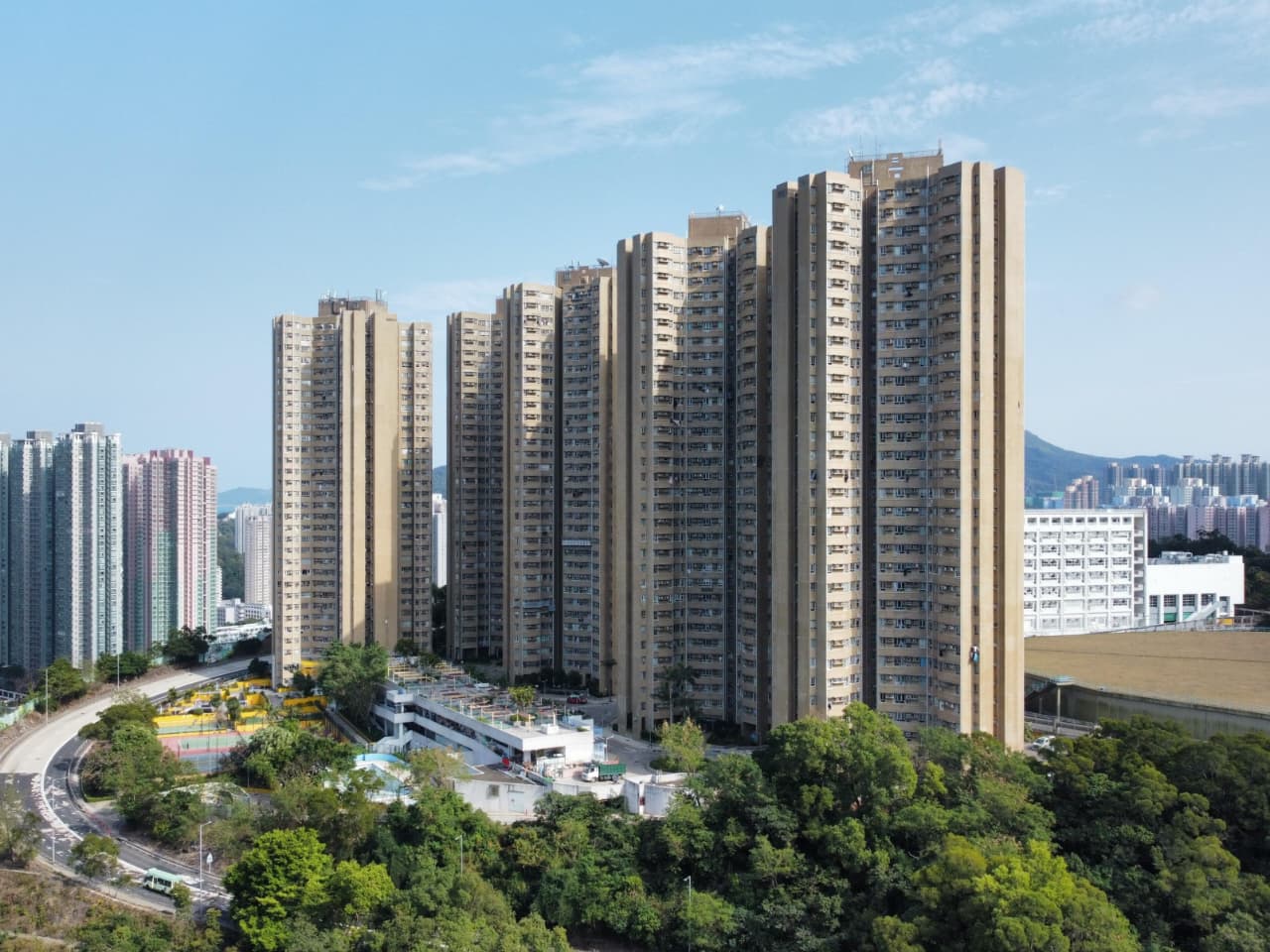
THE STORY BEHIND CHINA’s COUNTLESS HIGH-RISE BUILDINGS
By : Allah Bakhsh Dashti
For anyone visiting China for the first time, one particular sight is almost certain to leave a lasting impression: the endless skyline of towering high-rise buildings stretching across both major cities and smaller urban centers alike.
What surprises many visitors even more is that a significant number of these buildings appear quiet or sparsely populated at first glance. During my first visit to China, I too was astonished to see rows of beautiful skyscrapers standing seemingly empty. However, over time, I came to understand the broader vision, planning philosophy, and economic factors behind this phenomenon. Today, I would like to share those insights so that future visitors to China may view these developments with a deeper understanding rather than surprise.
In reality, there is not just one reason behind these large-scale developments, but several interconnected factors. Most importantly, it is essential to understand that the Chinese leadership and government often plan major national projects with a long-term vision extending decades into the future. This forward-looking approach is closely linked with the development philosophy promoted under the leadership of Xi Jinping — a vision centered on modernization, urbanization, infrastructure growth, and long-term national development.
Below are some of the key reasons behind China’s vast number of high-rise residential projects:
Preparing for Future Urban Growth
Many years ago, the Chinese government anticipated that millions of people would gradually move from rural areas to cities in search of better economic opportunities and modern lifestyles. To accommodate this transition, China began developing large housing schemes and “future cities” well in advance.
The idea was simple yet ambitious: build today for the needs of the next 10 to 20 years. As a result, many urban areas were designed with long-term population growth in mind rather than immediate occupancy alone.
Real Estate as a Preferred Investment
In China, property ownership has long been considered one of the safest forms of investment. Instead of keeping savings in banks, many people prefer purchasing apartments or flats as long-term assets.
In many cases, these properties are bought not necessarily for immediate residence, but as investments expected to appreciate in value over time. Consequently, some buildings may appear empty despite active buying, selling, and ownership activity taking place behind the scenes.
Urban Development and Local Government Revenue
Land development has historically been an important source of revenue for local governments in China. Increased construction activity contributes to economic growth, infrastructure expansion, and local GDP performance.
This led to rapid urban development in several regions, where modern roads, shopping centers, and high-rise buildings were constructed ahead of large-scale population settlement. In the early years, some of these cities appeared unusually quiet or underpopulated, but over time many gradually attracted residents and businesses.
At the same time, like every rapidly developing economy, not every project achieved complete success. China has also experienced examples of overdevelopment and underutilized projects, particularly during periods of aggressive real estate expansion.
Construction as a Pillar of Economic Growth
The construction sector has played a central role in China’s economic rise over the past several decades. It has generated employment for millions of people and contributed significantly to industrial growth and modernization.
For many years, infrastructure and real estate development served as major engines of economic activity. However, in recent years, some regions have also faced challenges linked to overconstruction and pressures within the real estate market — an issue openly acknowledged by Chinese policymakers as they continue working toward more balanced and sustainable growth.
Today, when I look at these towering buildings across China, I no longer see empty structures alone. I see a country attempting to plan decades ahead — investing in infrastructure, urban transformation, and economic expansion with remarkable scale and ambition.
So, if any of you have the opportunity to visit China for the first time, perhaps these vast skylines will no longer seem mysterious. Instead, they may offer a glimpse into the long-term vision and developmental mindset that continues to shape modern China.
The writer is a Gwadar-based journalist focusing on regional development, China-Pakistan relations, and socio-economic issues.