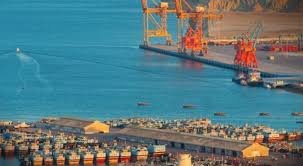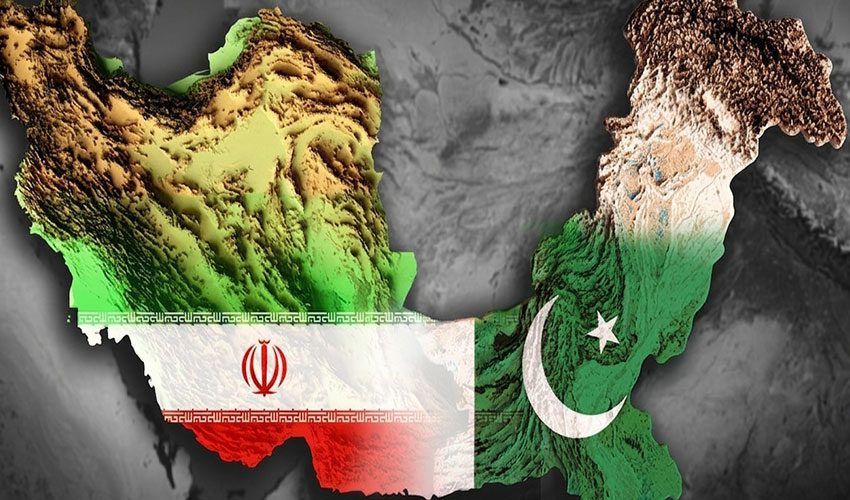
GWADAR: The government of Pakistan, under SRO 691/2026, has declared Gwadar Port a strategic gateway for Iran transit trade, marking a significant development in regional logistics and trade facilitation, officials said on Saturday.
According to a Gwadar Port Authority spokesperson, the notification issued by the Ministry of Commerce on April 25 formally outlines transit routes for trade with Iran, positioning Gwadar as a key future transit and logistics hub.
Officials said the decision is being seen as a major shift in regional trade dynamics, giving Gwadar legal, geographic and commercial significance for the first time in structured transit trade with Iran.
They added that Chairman Gwadar Port Authority Noor-ul-Haq Baloch played a key role in highlighting the strategic importance of the Gwadar–Gabd route, which reduces transit time significantly compared to the Karachi route.
Under the new framework, six official transit routes have been identified, with the Gwadar-Gabd corridor emerging as the shortest and most cost-effective option. Officials said transit time via Gwadar has been reduced to around 2–3 hours due to the 89-kilometre distance, compared to 16–18 hours via Karachi, a distance of nearly 700 kilometres.
They estimated transport costs could drop by 45 to 55 per cent, making Gwadar a more viable option for regional trade flows.
The port has also been designated as a consolidation and transshipment hub, where cargo from Karachi and Port Qasim will be aggregated and transferred to Iran via the Gabd border crossing. Officials said this would boost activities such as warehousing, cross-stuffing, repackaging and logistics services.
Experts believe the initiative could generate $24–32 million in annual revenue and help Gwadar capture up to 25 per cent of Iran’s transit trade market in the initial phase, while also attracting shipping lines and investors.
Officials added that improved customs procedures, modern equipment and reduced congestion at Gwadar give it a competitive edge over Karachi and Port Qasim.
The development is expected to create employment opportunities in warehousing, cold storage, logistics parks and related sectors, while also encouraging private investment due to improved regulatory clarity.