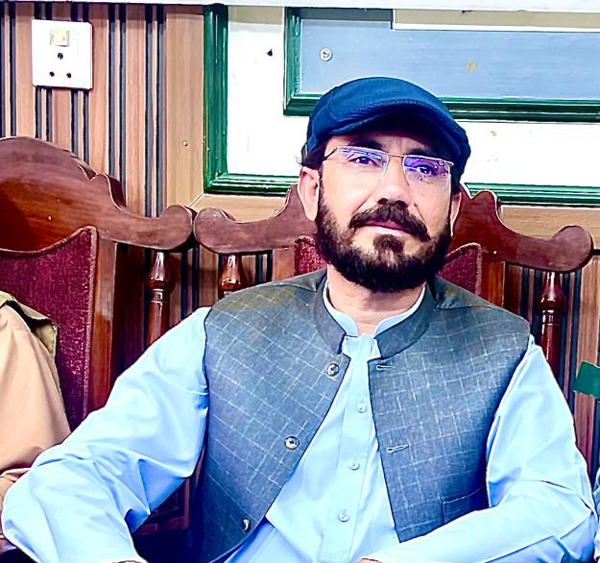
By Malik Saeed Jan Lehri
Trade unionism in Pakistan is passing through one of its worst phases in history. There was a time when even the most powerful governments hesitated to take anti-worker decisions, fearing the strong reaction of the labour force. Back then, union leadership was sincere, honest, and politically aware, and workers were trained in political circles with the sole aim of protecting collective interests. Positions were never used for personal gain, and betrayal of workers’ trust was unthinkable.
Over time, policies changed, and genuine labour leaders were replaced by sellouts and opportunists. Awareness and education of workers stopped, and unions became symbols of blackmailing, hooliganism, corruption, and extortion. Bargaining over workers’ rights became common, political cadre-building ceased, and positions were distributed on the basis of favouritism rather than merit. As a result, workers lost interest in unionism and remained unaware of the threats posed by privatization.
Today, while institutions are being privatized in the name of public-private partnerships and permanent jobs are vanishing, many prominent union leaders avoid even issuing statements against such moves. In Balochistan alone, 63 registered unions have been banned due to internal conflicts, severing the connection between leaders and workers.
This decline has benefited fake leadership and allowed the government to push through privatization, downsizing, and hiring freezes without resistance. Workers’ funds are being used to protect corrupt individuals instead of fighting against anti-worker policies. Rising unemployment, caused by a lack of job opportunities, is fueling crime rates.
There is now an urgent need to reorganize the labour movement with a ruthless accountability process — from top union leaders to grassroots representatives — to examine who sacrificed for workers’ rights and who compromised them for personal gain. Complete audits of workers’ funds, inquiries into silence over anti-worker decisions, and strict punishment for corruption and malpractice are essential.
Likewise, leaders who endured hardships, transfers, and imprisonments for the sake of workers should be rewarded. Serious and sincere workers must take practical steps now, or future generations will not respect the legacy of today’s labour movement.