Quetta: The Senior Educational Staff Association (SESA), District Quetta, has expressed serious concern over what it described as a deepening administrative crisis in the Balochistan School Education Department, stating that excessive centralization of authority is leading to institutional deterioration and growing problems for employees. In a press release, SESA said that matters ranging from the Public Sector Development Programme (PSDP), SNE, shifting of posts, demand for books and transfer/posting to even routine administrative affairs have become dependent on Secretariat approval. As a result, the Directorate, Divisional Directorates and District Education Officers are increasingly being deprived of effective administrative authority. The association questioned why, when modern governance emphasizes decentralization so that administrative issues can be resolved closer to employees, institutions and the public, powers in Balochistan are instead being increasingly concentrated at the centre. Education Department officers also expressed similar concerns during an informal conversation with Daily Mashriq. They said that in the past, planning was undertaken at the Directorate level on the basis of ground realities and the needs of schools, head teachers and district officers, while the Secretariat translated such planning into policy. They alleged that planning, policymaking and implementation are now increasingly concentrated at the centre, with relevant officers and institutions at the grassroots level not being effectively involved in decision-making. They identified rationalization and transfer/posting as particularly concerning areas, saying questions have been raised over the transfer of some teachers to remote locations without clear justification, thereby compelling them to approach the central office for resolution of their problems. They stressed the need for transparency, merit, clearly defined criteria and data-based decision-making in such matters. The officers also questioned how a large department can be effectively governed through a limited number of individuals while the expertise and capabilities of available officers and staff remain underutilized. They said that if Directors, Divisional Directors and DEOs are held responsible without being given corresponding authority, an effective system of accountability cannot function. Concerns were also raised over alleged involvement of informal intermediaries or “retired brokers” in departmental affairs. The officers called for an impartial inquiry into the administrative crisis and transparent accountability. They also demanded formal scrutiny of any potential conflict of interest involving additional projects, programmes or consultancy assignments associated with any officer or official. The association further expressed concern over the limited public response from representative educational organizations regarding employees’ genuine problems, questioning their silence on these issues. SESA called upon the Chief Minister of Balochistan, the Chief Secretary and other relevant senior authorities to independently review the department’s administrative structure, centralization of authority, transfer/posting, rationalization, alleged informal interference and potential conflicts of interest. The association maintained that the Education Department should be governed through institutions, rules, merit, consultation, transparency and decentralization rather than individual influence. It emphasized that accountability cannot be ensured without granting appropriate authority, nor can the education system be improved by weakening its institutions. SESA urged the authorities to end what it termed experiments with the future of Balochistan’s children and ensure an empowered, transparent and genuinely education-focused administration for the Education Department.
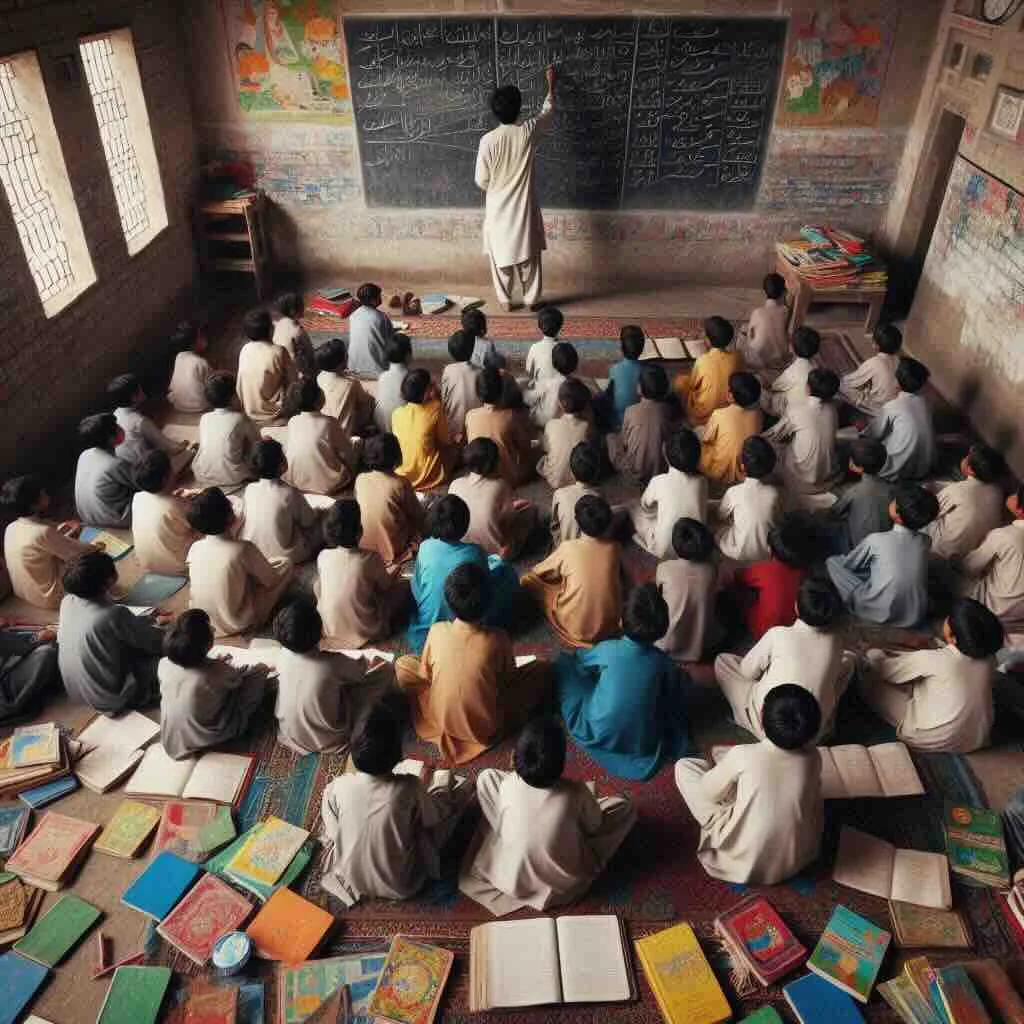
Education Department Crisis Deepens as Powers Remain Centralized