ISLAMABAD: The government of Pakistan, in collaboration with UN-Habitat Pakistan, on Sunday launched a consultative process for the country’s first National Urban Strategy aimed at developing climate-resilient cities and addressing growing urban vulnerabilities linked to climate change.
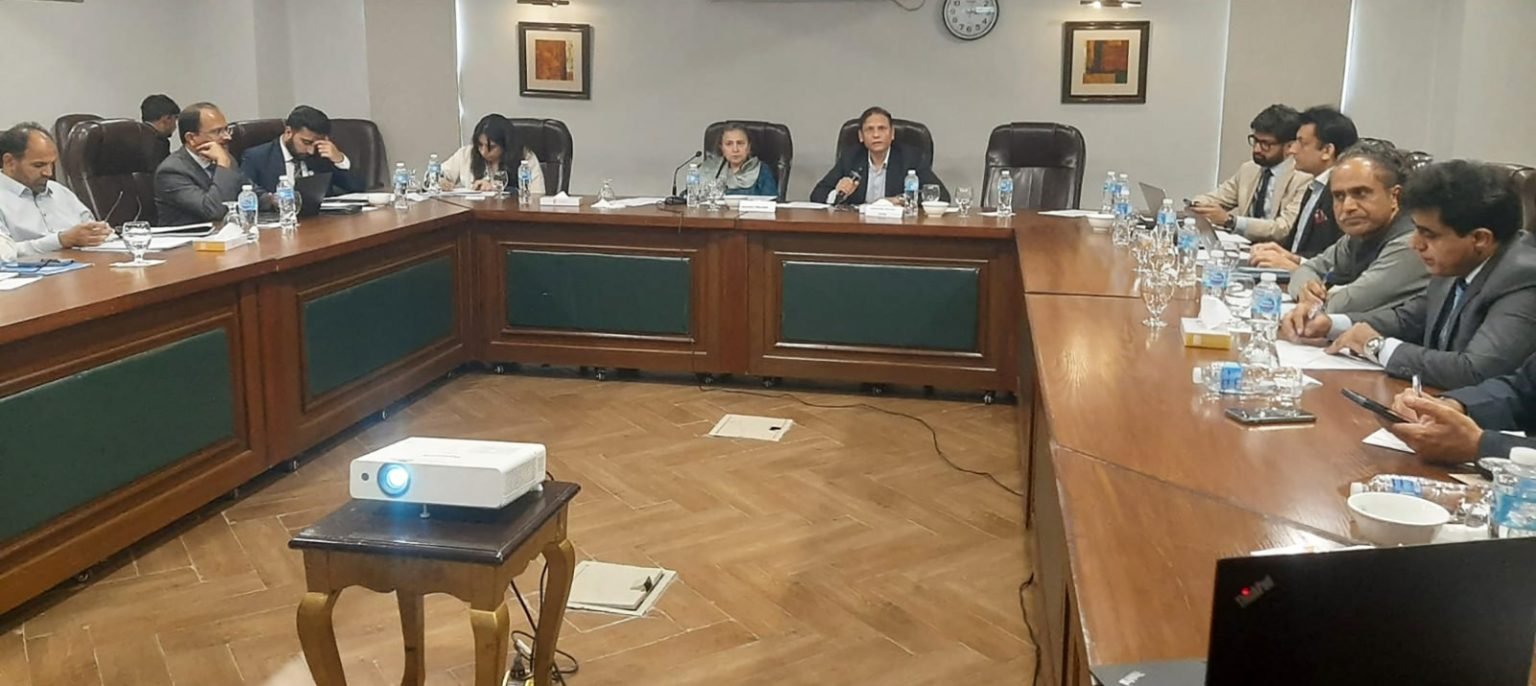
The initiative was formally launched during a high-level national workshop jointly organised by the Ministry of Climate Change and Environmental Coordination and UN-Habitat Pakistan.
The workshop brought together federal and provincial officials, disaster management authorities, urban planners, development experts and representatives of international organisations to develop a coordinated framework for sustainable urban development.
Speaking on the occasion, Secretary Ministry of Climate Change and Environmental Coordination Aisha Humera Moriani said Pakistan’s cities were expanding rapidly while simultaneously becoming more exposed to climate-related risks.
She said rising temperatures, urban flooding, water shortages and unregulated construction had intensified pressure on urban infrastructure and public services, adding that climate risks had long been ignored in urban planning.
“Our cities are becoming urban heat islands, flood traps and water-stressed zones because climate risks were never integrated into the way we planned and governed them,” she said.
The secretary noted that over 36 per cent of Pakistan’s population currently lived in urban areas, with projections indicating that more than half the population would reside in cities within the next two decades.
Officials also pointed to recurring flooding incidents in areas such as Rawalpindi’s Nullah Lai and Nowshera, highlighting the impact of encroachments, weak waste management systems and outdated drainage infrastructure.
Senior Joint Secretary Muhammad Ijaz Ghani said recent climate disasters had exposed weaknesses in urban governance and planning mechanisms, citing construction on floodplains as a major aggravating factor.
The officials said the proposed National Urban Strategy would align with the National Climate Change Policy 2021, National Adaptation Plan 2023 and Pakistan’s commitments under the Paris Agreement.
UN-Habitat Pakistan climate expert Khalil Ahmed said urban centres in Pakistan were increasingly exposed to floods, heatwaves, droughts and infrastructure failures due to rapid urbanisation and weak enforcement of environmental regulations.
He said the consultation process aimed to identify priority urban risks, integrate climate resilience into planning frameworks, promote green building codes and strengthen environmental assessment mechanisms.
Participants emphasised the need for climate-sensitive spatial planning, improved drainage systems, riverine zoning regulations and enforcement of the Pakistan Green Building Codes 2023 to ensure sustainable urban development.