ISLAMABAD: Economists and policy experts have stressed the need for structural fiscal reforms, improved revenue mobilisation and expenditure rationalisation to place Pakistan on a sustainable economic path.
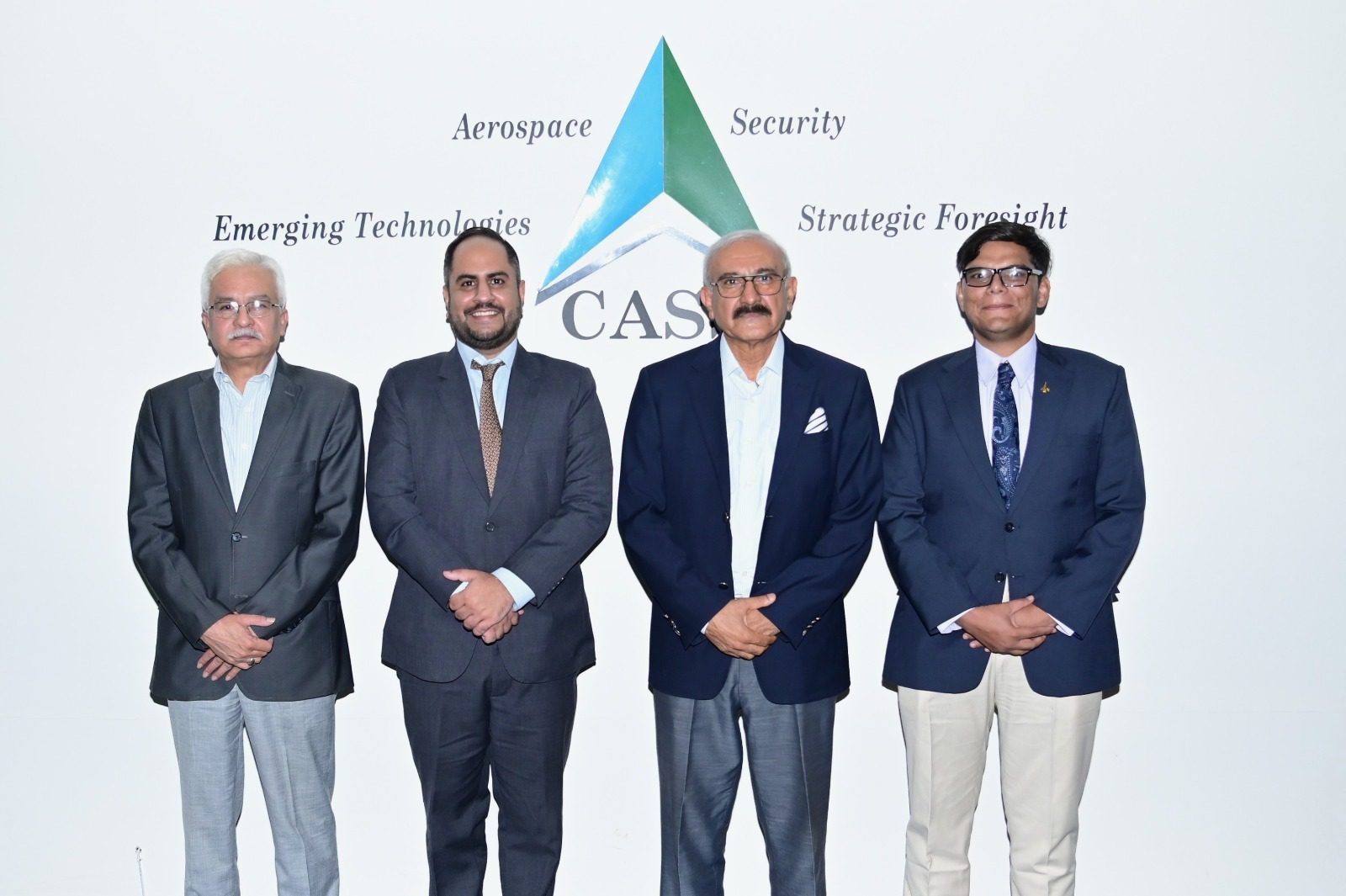
The observations were made during a discussion titled “Fiscal Survival or Economic Reform? Decoding Pakistan’s Budget Priorities” organised by the Centre for Aerospace & Security Studies (CASS) in Islamabad on Thursday.
Opening the session, Air Marshal Javaid Ahmed, president of CASS, said the federal budget had assumed added significance amid global economic uncertainty, regional instability, domestic political pressures and security challenges. He said the budget would help determine the government’s priorities for citizens and the country’s economic direction over the coming year.
The session, moderated by Air Marshal Zahid Mehmood, featured economist and Institute of Regional Studies research fellow Dr Usman Chohan as the keynote speaker.
Dr Chohan highlighted persistent fiscal challenges, including reliance on indirect taxation, non-tax revenues and petroleum-related levies. He said efforts to broaden the tax base should focus on bringing under-taxed sectors and retailers into the formal tax net.
He noted that a substantial portion of government expenditure was consumed by debt servicing, creating a cycle of borrowing and rising interest payments. While public debate often centred on defence and administrative spending, he argued that fiscal sustainability required a wider examination of revenue generation, debt obligations and expenditure priorities.
Addressing federal-provincial fiscal relations, Dr Chohan said large unconditional transfers to provinces continued to place pressure on the federal government while provincial revenue generation remained limited. He called for greater provincial responsibility in revenue mobilisation, including property taxation and other local revenue measures, coupled with stronger accountability in spending.
The discussion also examined Pakistan’s broader economic outlook. Dr Chohan said the country continued to face challenges arising from global uncertainty, energy pressures, weak investment and dependence on remittances. Sustainable growth, he added, would require higher investment levels, improved productivity and a shift away from recurring stabilisation cycles.
In his concluding remarks, Air Marshal Javaid Ahmed said budget-making in Pakistan had traditionally focused on revenue collection and stressed the need for stronger expenditure controls alongside tax reforms. He said greater attention should be paid to sectors such as health and education, while the effectiveness of large infrastructure spending programmes could be reviewed.
He also underlined the importance of clearly defining national priorities, particularly in the area of energy security, given the evolving regional environment.