
Islamabad: Increasing dietary potassium while reducing sodium intake may provide a more effective strategy for controlling high blood pressure than focusing on salt reduction alone, according to emerging research and expert analysis.
A new paper published in The American Journal of Clinical Nutrition has highlighted the importance of improving the balance between sodium and potassium for better blood pressure management and cardiovascular health.
While traditional advice has largely focused on reducing salt consumption, recent research suggests that the sodium-to-potassium ratio may be a stronger predictor of cardiovascular outcomes than sodium intake alone.
Potassium helps counterbalance the effects of sodium by promoting the removal of excess sodium through the body and supporting the relaxation of blood vessels.
Experts say that increasing potassium intake alone may contribute to lower blood pressure, but the strongest benefits are likely to come from combining a potassium-rich diet with reduced sodium consumption.
Foods naturally rich in potassium include bananas, potatoes with skin, spinach, lentils, beans, yogurt, salmon, cantaloupe and other fruits and vegetables.
Health experts recommend obtaining potassium primarily from whole foods rather than supplements, while also paying attention to hidden sodium in restaurant meals, packaged foods, canned products and processed snacks.
The DASH and other healthy dietary patterns that emphasize fruits, vegetables, legumes and minimally processed foods may help improve the sodium-potassium balance and support heart health.
However, experts have cautioned that increasing potassium is not appropriate for everyone. People suffering from chronic kidney disease, heart failure or other conditions affecting mineral balance, as well as those taking certain medications, should consult a doctor before significantly increasing their potassium intake or using potassium supplements.
Doctors also stress that dietary changes should complement, rather than automatically replace, prescribed medication and other blood pressure management strategies.
Related Posts
What can and can’t slow down aging: New study offers clues
ISLAMABAD: We all want to delay the aging process and gain extra healthy life years,…
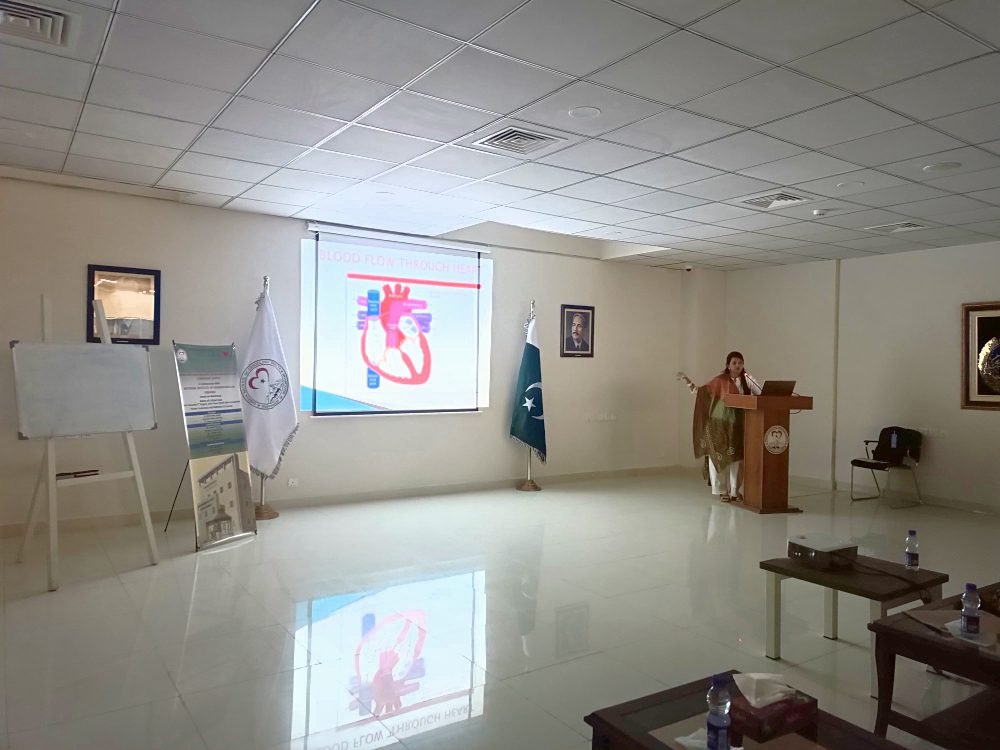
Training Workshop Held to Enhance Skills of Medical Staff in Collaboration with SMBZAN ICQ and NICVD
Brigadier Omar Iftikhar Kahloon Highlights Medical Staff Responsibilities at Cardiology Training Workshop By our ReporterQuetta;…
Popular chewing gum sweetener linked to higher heart attack risk, study finds
ISLAMABAD: Xylitol is a common artificial sweetener found in many common products, including processed foods…