
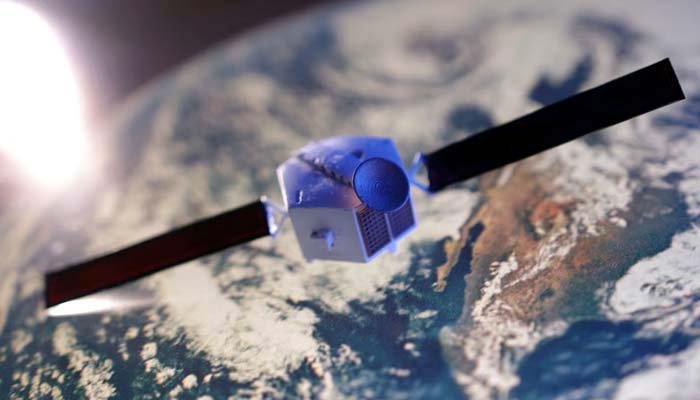
The Pakistan Space and Upper Atmosphere Research Commission (Suparco), on behalf of the government of Pakistan, is set to host the United Nations–Pakistan International Conference on Leveraging Space Technology for Early Warning for All (EW4All), Climate Action and Disaster Risk Assessment from October 27 to 31, 2026 in Islamabad.
Co-sponsored by the United Nations Office for Outer Space Affairs (Unoosa), through its UN-SPIDER programme, the Asia-Pacific Space Cooperation Organisation (Apsco), and the Inter-Islamic Network on Space Sciences and Technology (Isnet), the five-day international conference will bring together an estimated 200–250 participants, including 60–70 international delegates and approximately 150 national participants.
The conference aims to advance the use of space-based technologies, satellite observations and geospatial data to strengthen early warning systems, improve disaster risk assessment, and support climate action.
It will provide a platform for international cooperation, knowledge exchange and technical dialogue among experts, policymakers, diplomats, educators, researchers, United Nations agencies, development organisations and representatives of the space industry.
A key focus of the conference will be the United Nations’ Early Warnings for All (EW4All) initiative, which seeks to protect communities and critical infrastructure against climate-induced disaster events through effective early warning systems.
Discussions will also explore the role of space technologies in disaster risk reduction, climate-resilient development, and the monitoring of water resources, agriculture, forests and environmental change.
The programme will feature high-level leadership dialogues, technical sessions, expert panel discussions and presentations on disaster risk assessment, climate intelligence, geospatial technologies and emerging tools such as GeoAI.
Participants will examine practical approaches to shifting disaster management from reactive responses towards proactive risk assessment, preparedness and early action. The conference will also highlight the role of young researchers and youth-led initiatives in advancing climate research and innovation.
The deliberations will be aligned with key international frameworks, including the Sendai Framework for Disaster Risk Reduction, the Paris Agreement and Sustainable Development Goal 13 on Climate Action, supporting efforts to translate international commitments into practical national and regional outcomes.
For Pakistan, the conference is expected to provide an important opportunity to strengthen national capacity in the use of space-based and geospatial information for early warning, climate resilience and disaster risk reduction.
Enhanced technical capabilities in assessing flood, drought and heatwave risks can contribute to more informed decision-making, improved preparedness and better protection of vulnerable communities.
By bringing together national and international expertise, the conference will also promote institutional collaboration, technical capacity-building and the practical application of satellite-derived information in disaster management and climate-related planning.
It is expected to reinforce Pakistan’s role in regional and international cooperation on space-based solutions for disaster risk management and climate action.
The five-day event will conclude on October 31 with a closing ceremony and a technical visit to the National Disaster Management Authority (Ndma), providing participants with an opportunity to engage with Pakistan’s disaster management systems and explore the operational application of geospatial data, satellite-based monitoring and early warning tools.
Through this international gathering, Pakistan aims to strengthen partnerships and advance the effective use of space technology to build a safer, more climate-resilient and disaster-prepared future.

